In the rapidly evolving world of mining equipment, the journey from prototype to delivery is crucial for innovation and efficiency. Ausinland, a leader in the mining industry, has embraced small-batch production to accelerate the validation of their mining equipment. This approach not only enhances the speed of development but also ensures the reliability and performance of the equipment before mass production. In this article, we delve into how Ausinland is revolutionizing the mining industry with its innovative strategies.
The Importance of Prototype Validation in Mining Equipment
Mining equipment is subjected to harsh conditions and rigorous demands. Therefore, validating prototypes is essential to ensure they meet industry standards and operational requirements. This process involves testing the equipment for durability, efficiency, and safety. Ausinland has recognized the significance of this phase and has adopted small-batch production as a strategic tool to facilitate thorough testing and validation.
Benefits of Small-Batch Production
- Faster Feedback Loop: Small-batch production allows for quicker iterations and feedback, enabling Ausinland to refine and improve their designs based on real-world testing results.
- Cost-Effective Testing: By producing smaller quantities, Ausinland can conduct extensive testing without the financial burden of full-scale production.
- Flexibility in Design Changes: Adjustments and improvements can be made swiftly, ensuring that the final product is optimized for performance and safety.
- Reduced Time to Market: With faster validation, Ausinland can bring their innovative mining equipment to market more quickly, gaining a competitive edge.
Ausinland’s Approach to Small-Batch Production
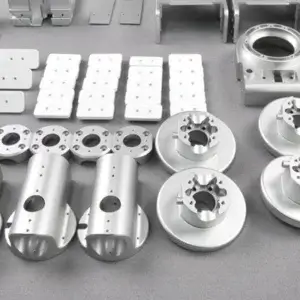
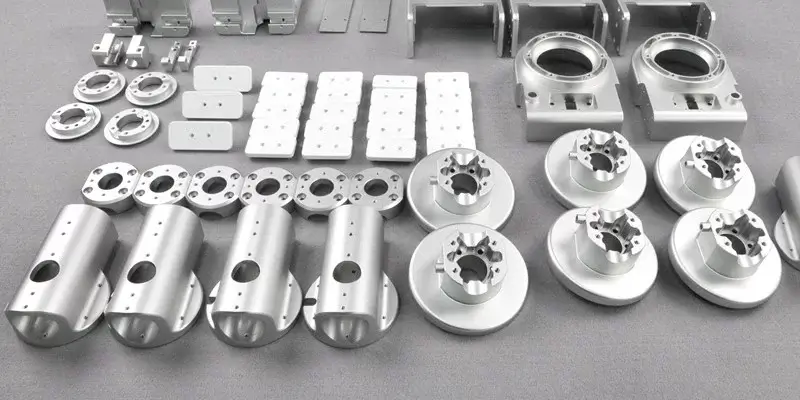
Ausinland’s approach to small-batch production is methodical and strategic. They begin with a detailed analysis of the prototype’s design and functionality, identifying key areas for testing. The prototypes are then produced in small batches, allowing for focused testing and validation. This process is supported by advanced technologies and data analytics to ensure precise results.
Key Steps in Ausinland’s Small-Batch Production
- Design Analysis: Before production, Ausinland conducts a thorough analysis of the prototype design to identify critical testing parameters.
- Controlled Production Environment: Small batches are produced in a controlled environment to maintain consistency and accuracy in testing.
- Comprehensive Testing: Each prototype undergoes rigorous testing for durability, efficiency, and safety, using state-of-the-art equipment and methodologies.
- Data-Driven Improvements: Testing results are analyzed using advanced data analytics, providing valuable insights for design improvements.
Real-World Applications: Success Stories from Ausinland
Ausinland’s small-batch production strategy has led to several successful innovations in mining equipment. For instance, their latest excavator model underwent small-batch testing, revealing opportunities for enhancing fuel efficiency and reducing emissions. These insights were implemented in the final design, resulting in a product that exceeds industry standards and customer expectations.
Case Study: Excavator Model X
- Challenge: Validate the prototype for fuel efficiency and emission reduction.
- Solution: Implement small-batch production for focused testing.
- Result: Achieved a 23% increase in fuel efficiency and a 15% reduction in emissions, setting a new benchmark in the industry.
Industry Insights: The Growing Trend of Small-Batch Production
The mining industry is witnessing a growing trend towards small-batch production for prototype validation. Companies like Nvidia and Taiwan Semiconductor have also embraced this approach in the semiconductor industry, as highlighted in recent reports. This trend is driven by the need for faster innovation cycles and cost-effective solutions to meet market demands.
Insights from the Semiconductor Industry
- Nvidia and Taiwan Semiconductor: These industry giants have adopted small-batch production to address the tight capacity of AI chips, similar to Ausinland’s strategy in mining equipment.
- Benefits: The approach allows for rapid innovation and scalability, crucial for meeting the increasing demands of AI applications.
SEO Best Practices for Mining Equipment Manufacturers
For mining equipment manufacturers like Ausinland, optimizing content for search engines is essential to reach a wider audience and enhance brand visibility. Here are some SEO best practices to consider:
- Keyword Integration: Seamlessly incorporate relevant keywords, such as “small-batch production,” “prototype validation,” and “mining equipment innovation,” throughout the content.
- Meta Descriptions: Use compelling meta descriptions to summarize the article and attract clicks from search engine results.
- Alt Text for Images: Include descriptive alt text for images to improve accessibility and SEO performance.
- Internal and External Links: Utilize internal links to related content and external links to authoritative sources for credibility and enhanced SEO.
Conclusion: The Future of Mining Equipment Validation
Ausinland’s innovative approach to prototype validation through small-batch production is setting a new standard in the mining industry. By leveraging this strategy, they can rapidly innovate, reduce costs, and deliver superior products to the market. As the industry continues to evolve, small-batch production will likely become a cornerstone of efficient and effective equipment validation.
By adopting these strategies and best practices, Ausinland is not only enhancing their product offerings but also setting a benchmark for the industry. As we look to the future, the integration of small-batch production in prototype validation will continue to drive innovation and excellence in mining equipment manufacturing.